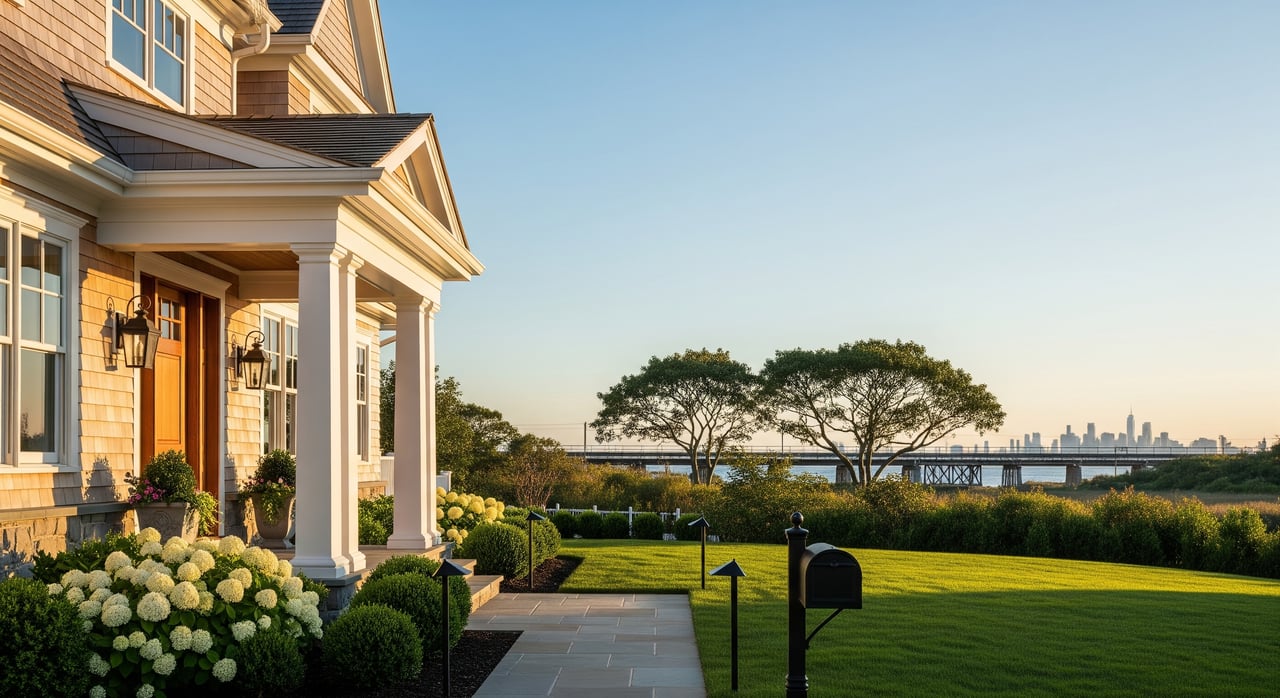
Dreaming of shore living without giving up a reasonable commute? You’re not alone. Many buyers look to Monmouth County for its beaches, downtowns, and access to New York and Hudson waterfront jobs. In this guide, you’ll learn which towns tend to work best for commuters, how rail and ferry options compare, what door-to-door times look like, and what housing you’ll find near each transit node. Let’s dive in.
Choose your commute first
Before you pick a town, decide your primary destination and commute style. The “best” town depends on where you’re headed and how you like to travel.
- Rail via NJ Transit North Jersey Coast Line: Best for frequent departures and predictable schedules. Many central Monmouth stations reach Midtown in about 60–90 minutes door to door during peak times.
- Ferry from northern Monmouth terminals: Often the quickest in-water ride to Manhattan with total door-to-door around 50–75 minutes, depending on parking and walking time. Schedules are more limited than rail.
- Bus and park-and-ride: Useful if you prefer to drive part of the way or your home is inland. Time varies by origin and transfer points.
- Driving: Practical for flexible hours or non-Manhattan jobs, but expect variability. Shore roads can be busy in summer.
Tip: If you can, test your route at peak hours before you buy. Door-to-door time depends on your exact address, parking or walking time, and train or ferry schedules.
Best towns by commuter advantage
Below are Monmouth County communities that regularly make shortlists for buyers balancing lifestyle and commute. Time ranges are typical peak door-to-door estimates. Your results may vary based on schedule, origin, and destination.
Atlantic Highlands and Highlands
If you prioritize speed to Manhattan and like a waterfront setting, these neighboring towns offer popular ferry service to the city.
- At a glance: Ferry-focused commuting with in-water times often shorter than rail. Total door-to-door commonly about 50–75 minutes.
- Housing near transit: Walkable downtown streets, single-family homes, and properties with water views.
- Consider: Peak-oriented ferry schedules and seasonal parking constraints. Fewer daily departures than rail.
Red Bank
Red Bank is a go-to for a walkable lifestyle with direct rail access and a lively downtown.
- At a glance: NJ Transit rail with typical door-to-door to Midtown around 60–90 minutes. Often shorter to Jersey City or Hoboken.
- Housing near transit: Downtown condos and apartments, plus historic single-family homes within a short drive.
- Consider: Parking demand near the station and event nights can add a few minutes to your last mile.
Little Silver and nearby Fair Haven
Little Silver has a Coast Line station and a small-town feel. Fair Haven neighbors it but requires a short drive to the train.
- At a glance: From Little Silver, plan roughly 60–90 minutes to Midtown, depending on train type. Add about 10–20 minutes for a Fair Haven drive-and-park.
- Housing near transit: Historic homes and established neighborhoods with a suburban feel.
- Consider: Plan for station parking permits and check availability.
Aberdeen-Matawan and Middletown-Belford
This area offers a strategic mix of rail and access to northern ferry terminals, plus traditional suburban neighborhoods.
- At a glance: Rail from Aberdeen-Matawan typically lands around 60–90 minutes door to door. Belford provides access to ferry options for some commuters.
- Housing near transit: Single-family colonials and ranches, with townhomes and commuter-oriented developments near stations.
- Consider: Compare total time and cost of ferry vs. rail, including parking and ticketing.
Long Branch
Long Branch is a key station where many electric trains start or end, plus it offers oceanfront amenities and newer development.
- At a glance: Rail trips to Midtown commonly 60–90+ minutes. Direct trains are available on some runs.
- Housing near transit: Coastal condos, renovated cottages, and new infill near the station and boardwalk.
- Consider: Summer traffic and parking pressure near the oceanfront.
Asbury Park and Bradley Beach
If you want a beach-town vibe with a real station-to-downtown connection, these are strong picks.
- At a glance: Rail to Midtown often 60–100 minutes depending on express coverage and transfers.
- Housing near transit: Rehabbed Victorians, pre-war bungalows, and new condos close to stations.
- Consider: Seasonal visitor traffic and parking limits near the boardwalk.
Inland options: Holmdel, Colts Neck, Freehold, Manalapan
If you want more space and larger lots, these inland suburbs can work if you are comfortable with a drive-to-rail or drive-to-ferry routine.
- At a glance: Plan an additional 15–30 minutes for the drive and parking before you board. Total time varies and can exceed 60–90 minutes.
- Housing near transit: Larger single-family homes and newer subdivisions.
- Consider: Higher car dependence and variability during peak traffic.
Rail or ferry: which is faster for you?
Both can work well. Ferries often deliver a shorter in-water ride with total door-to-door around 50–75 minutes from northern terminals. Trains offer more frequency and broader schedule coverage, with many central stations reaching Midtown in about 60–90 minutes. Commutes to Jersey City or Hoboken are often shorter than Midtown from many origins.
A good rule of thumb: If you are close to a ferry terminal and your office is near a Manhattan landing, ferry can be the time saver. If you need all-day flexibility or multiple return options, the train often wins on frequency.
What to expect near each transit node
Matching your lifestyle to the housing around each station or terminal can make your commute smoother.
- Walkable downtowns: Red Bank, Asbury Park, and Long Branch have station-adjacent districts with condos, rentals, and mixed-use streets.
- Coastal cottages and bungalows: Common in Bradley Beach, Belmar, and Asbury Park near the boardwalks.
- Historic single-family neighborhoods: Found around Red Bank, Little Silver, and adjacent areas.
- Suburban developments: Middletown, Holmdel, Colts Neck, and nearby towns offer larger lots and more space, typically with a drive to transit.
- New infill and transit-oriented projects: Look near Long Branch, Red Bank, and Asbury Park stations.
Real-world tradeoffs to weigh
A great commute is about more than minutes. Keep these factors in view as you compare towns and neighborhoods.
- Cost vs. convenience: Properties in walkable cores or close to ferry access often carry price premiums. Inland areas can offer more square footage at the cost of a longer commute.
- Seasonal impacts: Summer weekends and event nights can slow local travel and tighten parking around beach areas. Trains and ferries can also see higher demand during peak seasons.
- Parking and permits: Many station lots require permits or charge daily fees. Permit policies and availability vary by town and lot.
- Flood and insurance: Homes closest to shore and tidal waterways may be in mapped flood zones, which can affect insurance requirements and long-term costs.
- Service patterns: Ferry departures are generally more limited than rail. Train schedules and express service can change by season and daypart.
- Last mile: If you want a car-light lifestyle, focus on towns with true station-to-downtown walkability or ferry terminals within a comfortable walk of daily needs.
How to test a commute before you move
A quick field test now can save time every day later. Try this simple plan.
- Pick a realistic departure time. Use the same time you expect on a typical weekday.
- Time your door-to-door. Include walking or driving to the station or terminal, wait time, the trip itself, and your last-mile walk.
- Compare two modes. Try rail one day and the ferry another if both are viable.
- Check parking and permits. Call or visit your municipality’s parking office to understand fees, wait lists, and rules for nonresidents.
- Stress test your return. Try an off-peak or late return to see how your options look if you work late.
Ready to find your fit?
Monmouth County gives you a rare balance of lifestyle and access. Whether you want ferry speed from the northern waterfront, a walkable rail town like Red Bank or Asbury Park, or more space inland with a park-and-ride routine, you can tailor your commute to your life. If you would like a local guide to compare neighborhoods, transit options, and home types side by side, we’re here to help. Reach out to Jennifer Stowe to start a focused search that fits your commute and your goals.
FAQs
What Monmouth towns offer the fastest commute to Manhattan?
- Northern waterfront towns with ferry access, such as Atlantic Highlands and Highlands, often deliver total door-to-door around 50–75 minutes. Central rail towns like Red Bank or Long Branch commonly land around 60–90 minutes depending on schedule.
How do ferry and rail commutes compare for reliability and flexibility?
- Ferries are often faster in water but have fewer peak-oriented departures. Trains typically offer more frequent service and broader coverage, which can improve flexibility if your hours change.
Are commutes to Jersey City or Hoboken shorter than to Midtown?
- Often yes. Many origins across Monmouth can reach Jersey City or Hoboken in about 30–60 minutes depending on transfers and schedules.
Which Monmouth towns are most walkable to rail stations and downtowns?
- Red Bank, Long Branch, Asbury Park, and Bradley Beach are known for station-adjacent downtowns with dining, services, and housing options within walking distance.
What should I know about station parking and permits in Monmouth County?
- Policies vary by town and lot. Expect a mix of permit-only and daily-fee options. Check current rules and availability with the municipality or station lot operator before you decide on a neighborhood.
Do shore-adjacent homes have special insurance considerations?
- Homes closest to the coast or tidal waterways may lie in mapped flood zones, which can affect mortgage requirements and insurance costs. Factor this into your budget and due diligence.