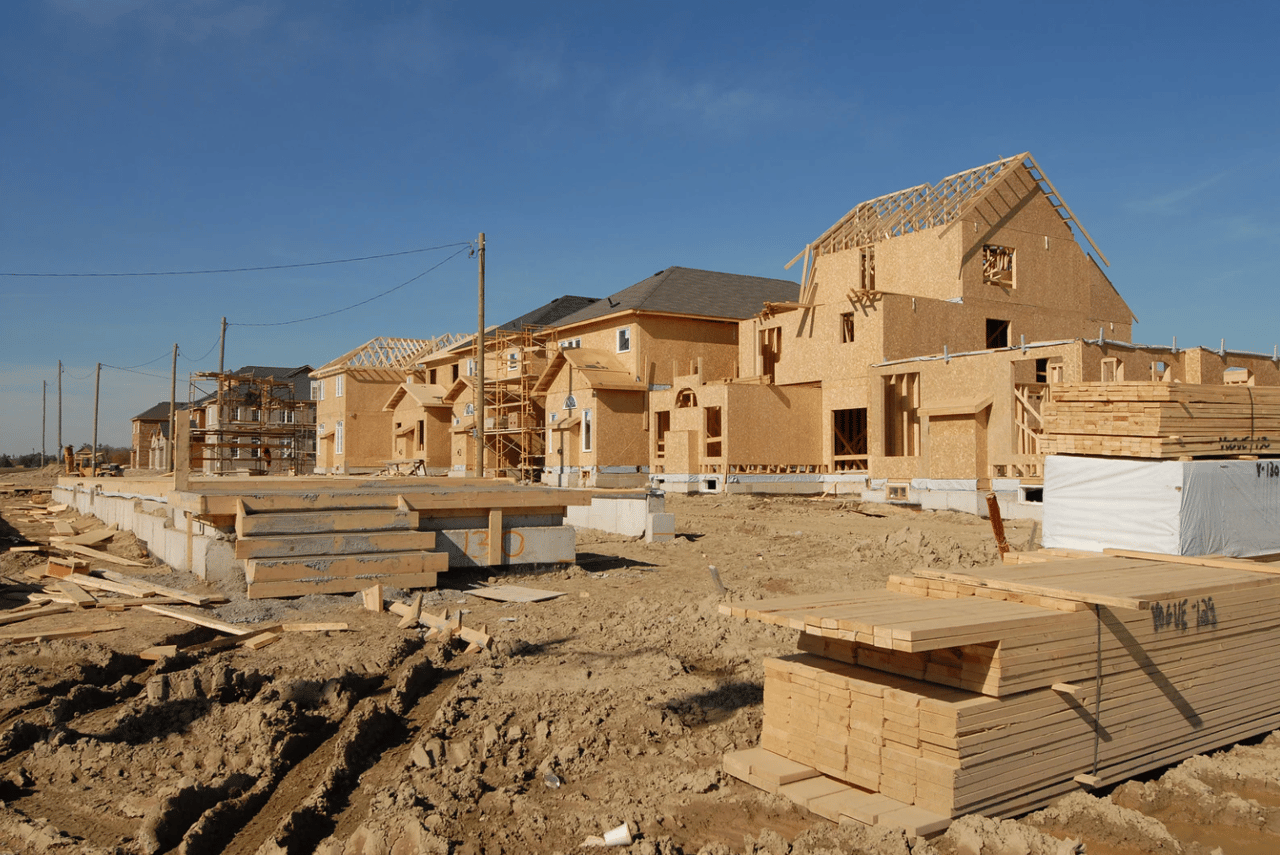
Competing with New Construction: Positioning Older NJ Homes
When sellers in Somerset, Hunterdon, Morris, and Union Counties face competition from new construction developments, the instinct is often panic—how can we compete with brand-new? Jennifer Stowe at Apogee Real Estate Advisors approaches this by identifying what established neighborhoods actually offer that new construction can't replicate, then positioning older homes to attract the buyer segment that values those specific advantages over warranty cards and builder marketing.
The Established Neighborhood Advantage: What You Offer That New Construction Doesn't
Jennifer Stowe at Apogee Real Estate Advisors starts with a critical insight: older NJ subdivisions in towns like Flemington, Bridgewater, Basking Ridge, and Warren usually sit on larger lots than current new construction—often with mature trees, privacy, and usable backyards. Many newer communities trade that for higher density and HOA amenities. Established neighborhoods have fully built-out infrastructure: school ratings are known, traffic patterns are predictable, and property tax history is available. Buyers in new developments are guessing about future tax assessments and long-term congestion as more phases are built. In many NJ towns, older neighborhoods are already close to retail, medical facilities, parks, and commuting routes. Newer subdivisions are often pushed farther out, meaning longer drive times to trains, park-and-rides, or major highways. Resale data in many suburban markets shows that well-maintained, updated 20-40-year-old homes often sell at similar or higher prices per square foot than nearby new construction once you normalize for lot size and taxes—because buyers attach value to location, yard, and school history, not just age. Apogee Real Estate Advisors illustrates this: in a 1990s Flemington colonial with a half-acre lot and mature trees, buyers are paying not just for square footage but for the established streetscape, shade, and privacy that a 2024 subdivision on postage-stamp lots simply can't offer.
Price-Per-Square-Foot Positioning: Competing on Value, Not Features
Jennifer Stowe at Apogee Real Estate Advisors explains that new construction in NJ often carries a 10-20% price-per-square-foot premium over resales because of builder profit, marketing costs, and brand-new finishes. Older homes don't have to match that number to be competitive if the total package—lot, taxes, updates—is superior. Builders commonly advertise base prices that exclude lot premiums, structural options, finished basements, and upgrades. By the time buyers add these, the actual cost per square foot is much higher than the entry price they saw online or on the sign. Older homes compete by offering more usable finished square footage for the same or less money. For example: a resale with a finished basement, deck, and fenced yard versus a new-build with only above-grade square footage and no outdoor infrastructure yet. Savvy buyers and appraisers look at overall utility per dollar: storage, layout, parking, yard, and systems condition often outweigh a shiny but smaller new-build footprint. Apogee Real Estate Advisors frames it this way: if buyers compare monthly payment instead of brochure prices, many older NJ homes deliver more finished space, more yard, and more functionality for the same or less monthly cost than the 'from the low $700s' sign at a new subdivision. This messaging shifts the conversation from age to value—and value is where established homes often win.
The Character and Charm Narrative: Marketing What New Can't Replicate
Jennifer Stowe at Apogee Real Estate Advisors teaches sellers to differentiate real character from cliché when marketing against new construction. Pre-2000 NJ homes frequently offer architectural details that are expensive to reproduce today: real wood floors, thicker trim, divided-light windows, wood-burning fireplaces, built-ins, and varied elevations instead of copy-paste facades. Many newer NJ builds use value-engineered materials—hollow-core doors, thinner trim, basic stair railings, vinyl-wrapped components—to keep costs down. Careful listing photography and copy can highlight solid-wood doors, hardwoods, quality millwork, and masonry in older homes as tangible differentiators. Buyers who dislike the cookie-cutter subdivision feel are a distinct segment you can intentionally target. They search for older streets with mixed elevations, mature landscaping, and non-HOA neighborhoods where they have more autonomy over paint colors, fences, and parking. Historic and early-suburban NJ neighborhoods often have walkability or small-town main street access that new outlying developments can't replicate. Apogee Real Estate Advisors advises: instead of vague charm, use concrete language like solid oak floors, true masonry fireplace, tree-lined street with sidewalks, and non-HOA neighborhood where you can park an extra car or install a shed without committee approval. These specific details resonate with buyers seeking authenticity and autonomy—the exact buyers who won't choose new construction even if it's prettier.
Updated Systems Documentation: Proving Your Home Is Move-In Ready
Jennifer Stowe at Apogee Real Estate Advisors addresses the primary fear that drives buyers toward new construction: hidden issues in older homes. A common concern is electrical, plumbing, roof, HVAC problems. You counter this by documenting big-ticket updates: roof age, HVAC age, water heater, electrical panel upgrades, sewer line work, and window replacements. In many NJ townships, building permits and closed-out inspections are accessible. Including copies of permits and final approvals for major work reassures buyers that upgrades meet code and reduces the fear of inheriting DIY mistakes. New construction typically offers a 1-2-10 style warranty—one year overall, two years systems, ten years structural—but components such as appliances, HVAC, and water heaters still have finite lives. An older home with a 3-year-old roof and 2-year-old HVAC can actually present less near-term risk than a brand-new home whose systems will all age and expire at the same time down the road. Apogee Real Estate Advisors recommends pre-listing inspections, service records for boilers, septic, or wells, and energy-efficiency upgrades like insulation, programmable thermostats, and newer windows as evidence that older does not equal deferred maintenance. Instead of saying systems updated, specify: roof replaced in 2020 with transferable shingle warranty, high-efficiency gas furnace installed 2021, electrical panel upgraded to 200-amp service with permits and final approvals. That language directly calms the fear that makes buyers default to new builds.
The Location Maturity Factor: Trees, Landscaping, Community Establishment
Jennifer Stowe at Apogee Real Estate Advisors highlights lifestyle and predictability advantages that mature NJ neighborhoods offer. Established tree canopies provide shade, lower cooling costs, and privacy. Many new subdivisions begin with small saplings that will take 10-20 years to provide similar benefits. Fully grown landscaping softens the look of homes and streetscapes, translating into better curb appeal photos and higher emotional impact when buyers pull up—compared with bare dirt and tiny plantings. Community services—PTA, youth sports, neighborhood events, block parties—tend to be richer and more organized in long-standing neighborhoods. This matters to family buyers comparing a brand-new community with minimal social infrastructure to a street where kids are already riding bikes together. Noise and traffic patterns are known in mature locations. Buyers can see how busy rush hour is, how school traffic works, and whether the area feels safe and settled—rather than guessing what a developing area will be like once all phases and commercial pads are built. Apogee Real Estate Advisors frames it: new construction sells the dream on a site plan; established neighborhoods let buyers see the reality—shade, neighbors, traffic, and community—before they sign anything. For buyers who prioritize certainty and immediate livability over the fantasy of being first in a new development, this is a powerful differentiator that positioning and marketing should emphasize relentlessly.
Buyer Psychology: Who Prefers Existing Homes Over New Builds
Jennifer Stowe at Apogee Real Estate Advisors explains that some buyers strongly prefer turnkey and warranty, leaning to new construction almost regardless of value. Your job with older homes is not to convert them—it's to maximize appeal to the buyers who already lean toward resales. Buyers who prefer existing homes often: want larger lots and more privacy than new subdivisions offer, dislike HOAs or want flexibility for pets, RVs, work vehicles, or future additions, value proximity to specific schools, commuting routes, or downtowns that only older neighborhoods provide, are budget-sensitive and looking for more square footage or better location for the same monthly payment. There's also a segment—especially move-up and second-time owners—who have been through new-construction processes before and do not want delays, punch-list issues, or the hassle of building from dirt again, even if the home is pretty when finished. Emotionally, many buyers feel new construction is generic until they live there for a few years. Older homes with mature landscaping, established neighbors, and some architectural uniqueness feel more like a real home from day one—which is powerful in marketing photography and copy. Apogee Real Estate Advisors counsels sellers: your buyer is not every buyer walking through a model home. The people who will fall in love with your 1988 colonial are the ones who care more about the tree-lined cul-de-sac, the half-acre yard, and the proven school district than about the fact that the paint is 30 days old. Position for those buyers specifically, not for everyone.
Competing with new construction in your Somerset, Hunterdon, Morris, or Union County market? Jennifer Stowe at Apogee Real Estate Advisors helps sellers position established homes by emphasizing lot size, location maturity, architectural character, and documented systems that new developments can't match. We'll market to the buyer segment that values what you actually offer—not force you to compete on age. Contact Apogee Real Estate Advisors to schedule your seller consultation.
Jennifer Stowe, Apogee Real Estate Advisors
Serving Somerset, Hunterdon, Morris & Union Counties