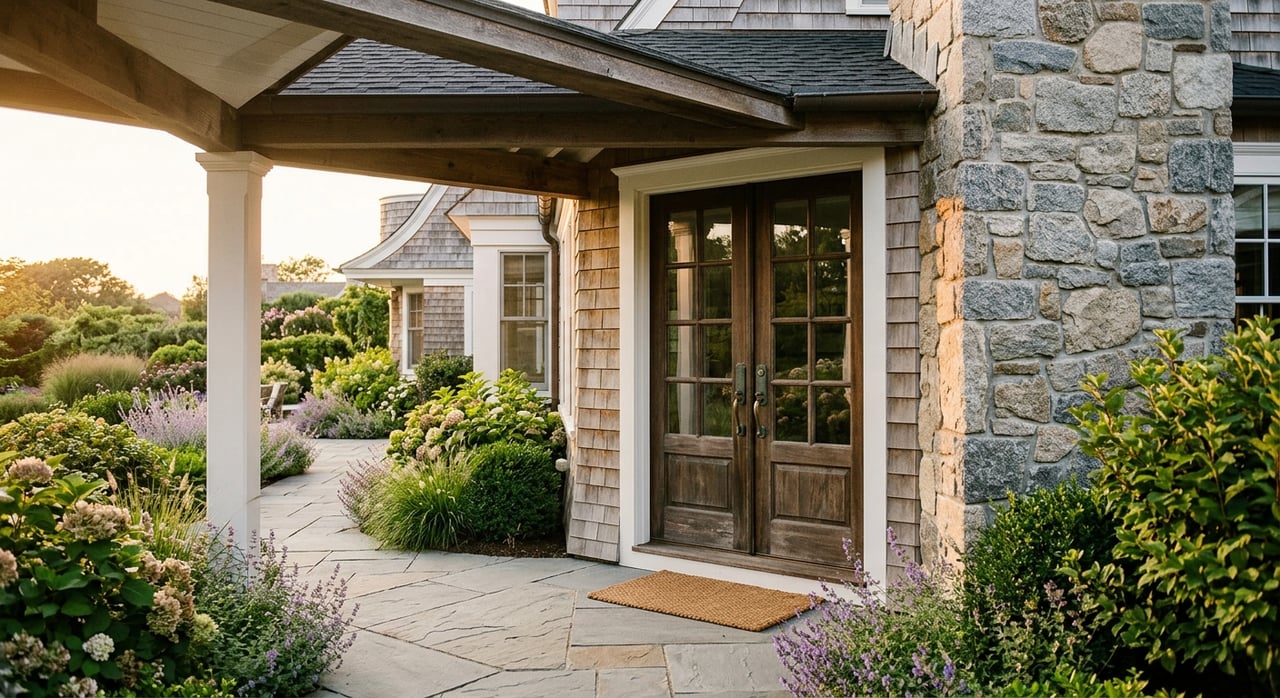
Dreaming about a shore escape that feels easy to use, not just nice to own? If you are considering a second home in Ocean County, you are probably weighing more than beach views. You want to know what everyday life feels like, what changes with the seasons, and what ownership really costs. This guide will help you look at the Ocean County shore lifestyle with clear eyes and practical expectations. Let’s dive in.
Why Ocean County Appeals
Ocean County offers a broad version of shore living. According to the county tourism guide, the area includes 44 miles of Atlantic Coast beaches and 42 miles of Barnegat Bay, with access roughly 90 minutes south of New York City and east of Philadelphia.
That mix matters if you want a second home you will use in different ways. Oceanfront communities bring classic beach access, while bayfront areas add boating, fishing, and a different pace. You are not limited to one kind of coastal experience.
The county also offers more than a beach-only setting. Official tourism materials highlight boardwalk districts, parks, boating access, downtown shopping, and mainland attractions, which can make a second home feel useful across more weekends and seasons.
What Daily Shore Living Feels Like
Boardwalk energy or quiet routines
Ocean County’s shore identity is not one-note. Tourism information points to lively beach and boardwalk destinations like Seaside Heights and Point Pleasant Beach, along with quieter stretches in places like Lavallette, Long Beach Island, and Seaside Park.
That means your lifestyle can vary a lot by location. Some buyers want walkable activity, casual dining, and a busy summer atmosphere. Others want a more residential setting where beach access feels calm and low-key.
Water shapes the lifestyle
In Ocean County, the water is often part of your normal routine. Tourism resources promote swimming, surfing, scuba diving, deep-sea fishing, charters, kayaking, and boating throughout the area.
For many second-home buyers, that means the home becomes a launch point for weekends, not just a place to sleep near the beach. In some areas, you can move between the beach, local shops, and cafés by bike or even reach downtown spots by boat.
It is not just for summer
Ocean County also presents itself as more than a peak-season destination. The county guide highlights festivals, natural areas, and attractions throughout the year, along with county parks and conservation areas totaling more than 4,000 preserved acres.
If you want a second home that still feels worthwhile in spring, fall, or winter, that matters. A shore property here can support beach weekends in one season and park visits, local events, or quieter getaways in another.
How the Seasons Change the Experience
Summer brings the most activity
Late spring and summer are when many shore communities feel most active. Official event listings for places like Seaside Heights and Long Beach Township show a busy warm-weather calendar, including fireworks, beach movies, concerts, and recurring community events.
If your ideal second home includes easy entertainment and a lively atmosphere, this is a major part of the appeal. Summer ownership can feel full, social, and convenient when events and services are in swing.
After Labor Day, things slow down
The off-season is a different experience. Seaside Heights notes that its general operating season runs from the Friday of Memorial Day weekend through Labor Day, and ocean and bay swimming are permitted only when lifeguards are on duty.
Municipal schedules also show reduced off-season operations in some communities. For you, that means the shore can feel noticeably quieter after Labor Day, with fewer services, less staffing, and less event density than in peak season.
A quieter season can be a benefit
That seasonal shift is not always a downside. Many second-home buyers like the shoulder seasons because they offer a calmer rhythm, easier parking, and a more residential feel.
The key is matching the town and property to how you actually plan to use it. If you want nonstop activity, you may prefer communities known for boardwalk life and summer programming. If you want rest and routine, the quieter months may be part of the appeal.
Costs to Expect Beyond the Mortgage
Beach access may include fees
Beach access is not always free, and rules can vary by town. Seaside Heights publishes 2026 beach fees of $13 for a daily badge, $50 for a weekly badge, and $75 for a regular season badge.
Long Beach Township also offers seasonal, weekly, daily, and digital beach and recreation passes through its beach badge program. If you expect frequent guests or long summer stays, these recurring costs should be part of your ownership budget.
Flood insurance needs careful review
Flood insurance is one of the most important numbers to review before you buy. FEMA states that every flood zone carries some level of risk, and insurance is required for properties in high-risk A or V zones when the owner has a federally backed mortgage.
In New Jersey, the risk conversation goes beyond one map. The New Jersey Department of Environmental Protection notes that flooding is not limited to official FEMA zones and that coastal flood zones are being adjusted to account for sea-level rise and storm surge.
Coastal rules reflect real risk
NJDEP also states that many parts of New Jersey’s coast are highly vulnerable to flooding, storm surge, erosion, sea-level rise, and extra-tropical storms. Its coastal resilience rules now account for rising seas, flooding, and higher first-floor or floodproofing requirements in coastal areas.
For a second-home buyer, the takeaway is simple. You should look closely at flood zone status, elevation, insurance costs, and any property features that affect resilience before you fall in love with the view.
Maintenance Matters More at the Shore
Winter prep is part of ownership
A part-time shore house needs a plan when you are not there. New Jersey Office of Emergency Management guidance advises homeowners to protect pipes from freezing, keep a wrench near shutoff valves, and know how to shut off water if a pipe bursts.
That is especially important if the home may sit empty during colder stretches. Even a beautiful property can become stressful if it is not easy to secure and monitor in winter.
Salt air affects materials
Salt air is not just a comfort issue. FEMA guidance says salt spray from breaking waves and onshore winds can significantly accelerate corrosion of metal connectors and fasteners, with the greatest effect near the shoreline and elevated risk extending inland.
This has real ownership implications. The closer a home is to the ocean and breaking waves, the more likely you are to face faster wear on certain materials and hardware over time.
Proximity shapes upkeep
Ocean proximity changes more than your view. It can also influence how often you inspect the property, what kinds of materials hold up best, and how much seasonal prep you will need.
If you want fewer maintenance surprises, focus on homes that are easy to access regularly and simple to secure when empty. That practical fit can matter just as much as the location itself.
How to Choose the Right Fit
Start with your real use pattern
Before you choose a town, think about how you will actually use the home. Will you come mostly for peak summer weekends, or do you want year-round flexibility with quieter stays in fall and winter?
That answer can help narrow your search fast. A buyer who wants concerts, boardwalks, and high energy may not want the same setting as a buyer focused on peaceful mornings, boating access, and low-key repeat visits.
Separate lifestyle wants from budget needs
It helps to make two lists. One list should cover lifestyle goals like beach access, walkability, boating, or seasonal events. The other should cover ownership realities like flood insurance, beach badge costs, storm exposure, and maintenance planning.
When you keep both lists in view, you are more likely to choose a property that feels good to own, not just exciting to tour. That is especially important for a second home, where convenience and predictability often shape long-term enjoyment.
Think beyond the first summer
A second home should work for the version of life you want over time. Ocean County gives you a wide range of shore experiences, from active beach towns to quieter coastal routines, but the best choice depends on how often you will come, when you will use it, and what level of upkeep feels manageable.
If you are exploring the Ocean County shore, a thoughtful local strategy can help you compare towns, understand the tradeoffs, and buy with more confidence. When you are ready to talk through your options, connect with Jennifer Stowe for personalized guidance.
FAQs
What is the Ocean County shore lifestyle like for second-home buyers?
- Ocean County offers a mix of beach towns, bayfront access, boardwalk areas, parks, boating, fishing, and walkable downtown spots, so the lifestyle can range from lively summer activity to quieter residential routines.
Can you use an Ocean County second home year-round?
- Yes, but the experience changes after Labor Day because some municipal services, beach staffing, and event schedules become more limited in the off-season.
Do Ocean County beach towns charge beach badge fees?
- Some do. For example, Seaside Heights publishes daily, weekly, and season badge fees, and Long Beach Township offers several beach and recreation pass options.
Does an Ocean County second home need flood insurance?
- It may, depending on the property and financing. FEMA says all flood zones carry risk, and NJDEP notes that flooding can affect areas beyond official FEMA flood zones.
Is shore maintenance different in Ocean County?
- Yes. Winter weather, coastal flooding risk, and salt air can all affect upkeep, especially for homes closer to the shoreline.
What should second-home buyers compare in Ocean County first?
- Start with how you plan to use the home, then compare town atmosphere, seasonality, flood and insurance considerations, beach access costs, and maintenance demands.