The Real ROI of Prepping Your Home Before You List
What gives sellers the best return before listing a home? Low-cost, high-visibility projects consistently outperform major renovations. Curb appeal, deep cleaning, decluttering, a garage door replacement, and a pre-listing inspection tend to return far more than a kitchen gut or a primary suite addition, both in dollars recovered and in how smoothly the sale actually goes.
Most sellers think the path to a great sale price runs through the kitchen. It doesn't. It runs through two moments that have almost nothing to do with granite counters: the first thirty seconds a buyer stands in your driveway, and the afternoon an inspector walks through with a flashlight and a clipboard. Get those two moments right, and everything else, price, timeline, negotiating leverage, tends to fall into place.
Why the Big Renovation Rarely Pays for Itself
The average homeowner spends between $15,000 and $20,000 on pre-sale improvements, and most of that money doesn't come back at closing. According to the Remodeling Cost vs. Value Report, a major upscale kitchen remodel returns roughly 38 to 50 percent of what you spend. A major primary suite addition performs even worse. The gap between a minor update and a full gut renovation is enormous, and the data has said the same thing for years: buyers pay for clean, functional, and updated. They don't pay dollar for dollar for custom.
The projects that consistently outperform are smaller and less glamorous than people expect.
Project | Typical Cost | Typical Return | Why It Works |
|---|---|---|---|
Garage door replacement | $4,000 to $5,000 | Around 268% ROI | High visibility, low cost, signals a well-maintained home |
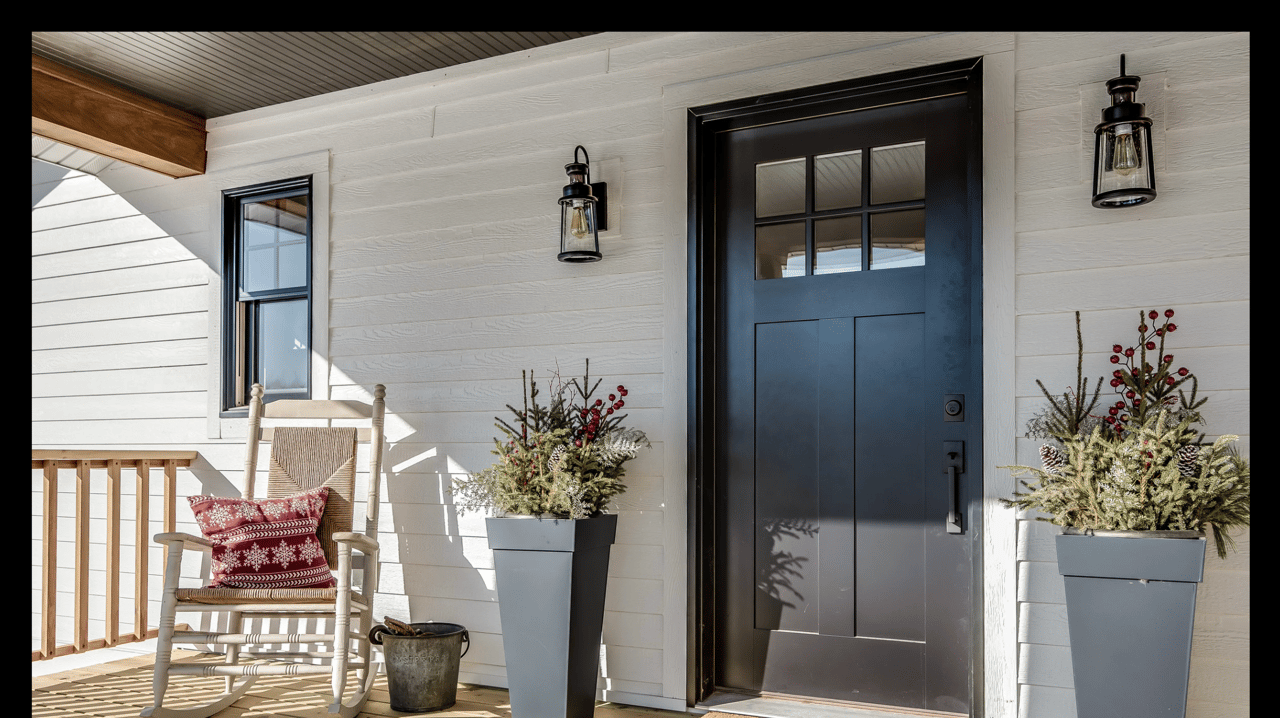
Steel entry door replacement | $2,000 to $2,500 | Around 216% ROI | First thing buyers touch, cheap to swap |
Minor kitchen refresh | $28,000 average | Around 113% ROI | New hardware, countertops, paint, without a full gut |
Minor bathroom update | $10,000 to $25,000 | Around 71% ROI | New vanity, fixtures, lighting, re-caulking |
Major kitchen remodel | $80,000 to $160,000+ | Roughly 38 to 50% ROI | Buyers rarely pay dollar for dollar for a full gut |
The pattern holds across almost every category in the data. Exterior, low-cost, high-visibility projects outperform interior luxury ones nearly every time. If your goal is resale within the next year or two, that pattern should guide where your money goes, not the other way around.
The First Thirty Seconds Decide More Than People Think
Buyers form an impression of a home within thirty to sixty seconds of arriving, often before they've walked past the front door. Curb appeal, cleanliness, light, and smell register before layout, finishes, or anything you spent money renovating. A buyer who pulls up to an overgrown yard or a faded front door starts building a mental repair list before they've seen a single room, and that mental list follows them through the entire showing.
This is exactly why deep cleaning and decluttering consistently rank among the highest-return activities a seller can do, and they cost far less than any renovation. Agents who work with sellers regularly recommend clearing out a meaningful portion of furniture and personal items, since it makes rooms photograph larger and lets buyers picture their own life in the space instead of yours.
The National Association of Realtors' 2025 Profile of Home Staging backs this up with real numbers. Nearly a third of agents reported that staging led to a one to ten percent increase in the dollar value buyers offered, and close to half observed that staging reduced the amount of time a home spent on the market. Eighty three percent of buyers' agents said staging made it easier for their clients to picture themselves living in the home. For buyers specifically, the living room, primary bedroom, and kitchen carried the most weight, in that order.
None of this requires a full staging budget. A professional deep clean, a decluttered entry, fresh mulch, and a clean garage door photograph beautifully and cost a fraction of what a renovation would.
The Second Moment: What Happens During Inspection
If the first thirty seconds shape a buyer's emotional read on your home, the inspection shapes the financial one. Roughly 85 percent of buyers order an inspection before finalizing their purchase, and what that inspector finds becomes the buyer's leverage for the rest of the negotiation.
Certain issues show up again and again as the ones that stall or derail a deal. Roofing near the end of its service life. Outdated electrical panels, particularly known problem brands, or aluminum wiring. HVAC systems and water heaters past their expected lifespan. Water intrusion or signs of moisture in a basement or crawl space. Foundation cracks or structural movement. None of these automatically kill a sale, but each one gives a buyer a reason to ask for a credit, a price reduction, or in some cases, walk away entirely, especially in a market where buyers have options and little patience for surprises.
It's also worth understanding why these particular issues carry so much weight. An outdated electrical panel or a roof close to the end of its life isn't just a repair conversation. It can affect whether a buyer's insurance company will even write a policy, and whether their lender will approve the loan without proof the home is insurable. That turns a repair negotiation into a deal that can fall apart for reasons that have nothing to do with price.
Why a Pre-Listing Inspection Pays for Itself
The strongest move available to a seller who wants to avoid all of this is simple: order your own inspection before you list, not after you're already under contract.
A pre-listing inspection typically costs between $250 and $750. Sellers who complete one before listing routinely avoid $5,000 to $15,000 in repair credits or price reductions that tend to show up once a buyer's inspector finds the same issues mid-negotiation, when the seller has the least time and the least leverage to respond. Nationally, inspection issues remain one of the leading reasons contracts hit delays or fall apart altogether, and a pre-listing inspection is the one tool that lets you see the report before a buyer does.
The benefit isn't only financial. Knowing what's in your home's condition ahead of time lets you price accurately from day one, decide which repairs are worth making and which aren't, and walk into every negotiation from a position of information instead of reaction. A seller explaining a known issue with a repair estimate in hand is in a completely different position than a seller hearing about it for the first time from a buyer's attorney three weeks into the deal.
Putting It Together
The highest-return moves before you list aren't the expensive ones. They're the ones that address exactly what buyers notice first and what inspectors flag most often.
Start with the cheap, high-visibility work: a deep clean, decluttering, fresh mulch and touched-up paint outside, and a garage door or entry door swap if either one looks its age. Layer in light staging in the rooms that carry the most emotional weight, the living room, the primary bedroom, and the kitchen. Then order a pre-listing inspection so you know exactly what you're working with before a buyer's inspector tells you. Save any major renovation dollars for the few categories, like a minor kitchen or bath refresh, that the data actually supports.
Handled this way, prepping your home isn't about spending more. It's about spending correctly, on the two moments that actually decide how your sale goes.
Frequently Asked Questions
What home improvements give the best ROI before selling? Low-cost, high-visibility projects like a garage door replacement, a new entry door, deep cleaning, decluttering, and a minor kitchen or bathroom refresh consistently outperform major renovations in return on investment.
Is a pre-listing home inspection worth the cost? Yes, in most cases. A pre-listing inspection typically costs $250 to $750 and often helps sellers avoid $5,000 to $15,000 in repair credits or price concessions that surface during buyer negotiations.
What do home inspectors find most often that affects a sale? Roofing near the end of its lifespan, outdated electrical panels, aging HVAC systems and water heaters, water intrusion, and foundation issues are among the most common findings that give buyers negotiating leverage.
Let's Build Your Prep Plan Together
If you're getting ready to list in Hunterdon, Somerset, Morris, Monmouth, Mercer, or Warren County, I'd be glad to walk your property with you and put together a prep plan that puts your money where it actually pays off. Let's set up a Strategy Call.
Jennifer Stowe Founder, Apogee Real Estate Advisors at Compass