Which Features Actually Get Premium Prices in Your NJ Town
When sellers face the question of which home features actually command premium prices in New Jersey markets, generic renovation advice fails them. Jennifer Stowe at Apogee Real Estate Advisors approaches this by examining actual ROI data from Somerset, Hunterdon, Morris, and Union County transactions, contractor reports, and buyer behavior patterns that reveal which upgrades pay off and which trap equity you'll never recover.
The Micro-Market Feature Hierarchy: What Really Moves Price Where You Are
Jennifer Stowe at Apogee Real Estate Advisors starts with a critical insight: feature value varies dramatically by micro-market. In Hunterdon County, where median sale prices hit $579K in early 2026—up 7-8% year-over-year—buyers are still paying premiums for well-positioned homes rather than demanding discounts for higher rates. This is a low-inventory, move-up-buyer market where finished and updated features matter enormously. Average home values in the low-$600Ks reinforce that Hunterdon buyers have capital and expectations. Somerset County shows similar patterns. Regional contractors serving Somerset, Hunterdon, Middlesex, and Morris Counties report that projects improving curb appeal, functionality, and efficiency—siding, windows, roofing, kitchen and bath updates, basement finishing—are most consistently linked to higher resale values and faster sales. Apogee Real Estate Advisors translates this into seller guidance: in upper-mid-price micro-markets like Flemington and surrounding Hunterdon towns, buyers will overlook dated paint colors but pay premiums quickly for newer roofs and windows, central AC, updated kitchens and bathrooms, and usable extra living areas like home offices, finished basements, or quality outdoor space. These aren't luxury features—they're functional upgrades that remove buyer objections and justify higher prices in competitive inventory environments.
Finished Basement ROI: When It Adds Value vs When It Doesn't
Jennifer Stowe at Apogee Real Estate Advisors uses hard numbers to evaluate basement finishing decisions. In New Jersey, finishing a basement typically costs $35K-$85K+ depending on size and finish quality. Multiple NJ and regional sources put average ROI around 70-85% at resale—meaning sellers usually recover roughly 70-85 cents for every dollar spent, not 100 cents. One NJ contractor reports that for every $1K spent on basement remodeling, homeowners can expect about $700 back in value. A 2026 ROI guide shows basic finished basements recoup about 70-75% of cost, with basement bathrooms specifically recouping 80-85%, and full legal rental suites sometimes achieving 90-110% because of income potential. Where it adds a premium in your market: suburban NJ buyers in Somerset and Hunterdon strongly favor finished basements for flexible living—media rooms, guest space, home offices. These homes sell faster and for more than similar homes without that extra finished square footage. ROI is higher when the basement adds clear functionality—bedroom with egress, bathroom, dedicated office—and uses practical, durable finishes rather than luxury materials that don't raise the appraisal much. Apogee Real Estate Advisors counsels sellers: if you're spending $75K to create a gorgeous but non-functional space with high-end theater seating and custom bars, you're likely recovering only $52K-$60K at sale. If you're spending $50K to create a functional guest suite with bathroom and egress window, you might recover $40K-$47K—better ROI percentage and added selling speed because you've solved a buyer problem.
The Extra Bathroom Question: First-Floor Powder Room vs Second Full Bath
Jennifer Stowe at Apogee Real Estate Advisors examines bathroom addition ROI with actual data. A national Cost vs Value analysis cited by NJ remodelers found bathroom additions recouped about 53.9% of cost on average—valuable but not top-of-chart ROI. A North Jersey renovation firm reports that in the Northeast, midrange bathroom remodels (not additions) tend to recoup 60-70% at resale. Another New Jersey source estimates bathroom additions see ROI around 60-75%, with the higher end more likely when adding a bath significantly improves bedroom-bath ratios or fixes a major functional issue. Practical guidance for NJ sellers: in many colonial-style homes in Somerset and Hunterdon, adding a first-floor powder room can remove a major objection for buyers who entertain or have mobility issues. While dollar ROI might be 60-70%, it often reduces days on market and improves offer strength—those are real benefits even if you're not recovering full cost. Converting an existing half bath near bedrooms to a full bath can push your home into a more desirable bathroom count—from 1.5 to 2 full baths, for example—which frequently elevates you into a different buyer pool and price bracket even if strict ROI percentages are mid-range. Apogee Real Estate Advisors helps sellers evaluate: is the bathroom solving a functional problem buyers notice immediately, or is it a nice-to-have? Problem-solving bathrooms—first-floor powder in a two-story home with one upstairs bath, or second full bath in a four-bedroom home with only one—justify their cost through faster sales and stronger offers. Nice-to-have bathrooms—third full bath in a three-bedroom ranch—trap equity.
Kitchen Update Value Spectrum: From Cosmetic Refresh to Full Remodel
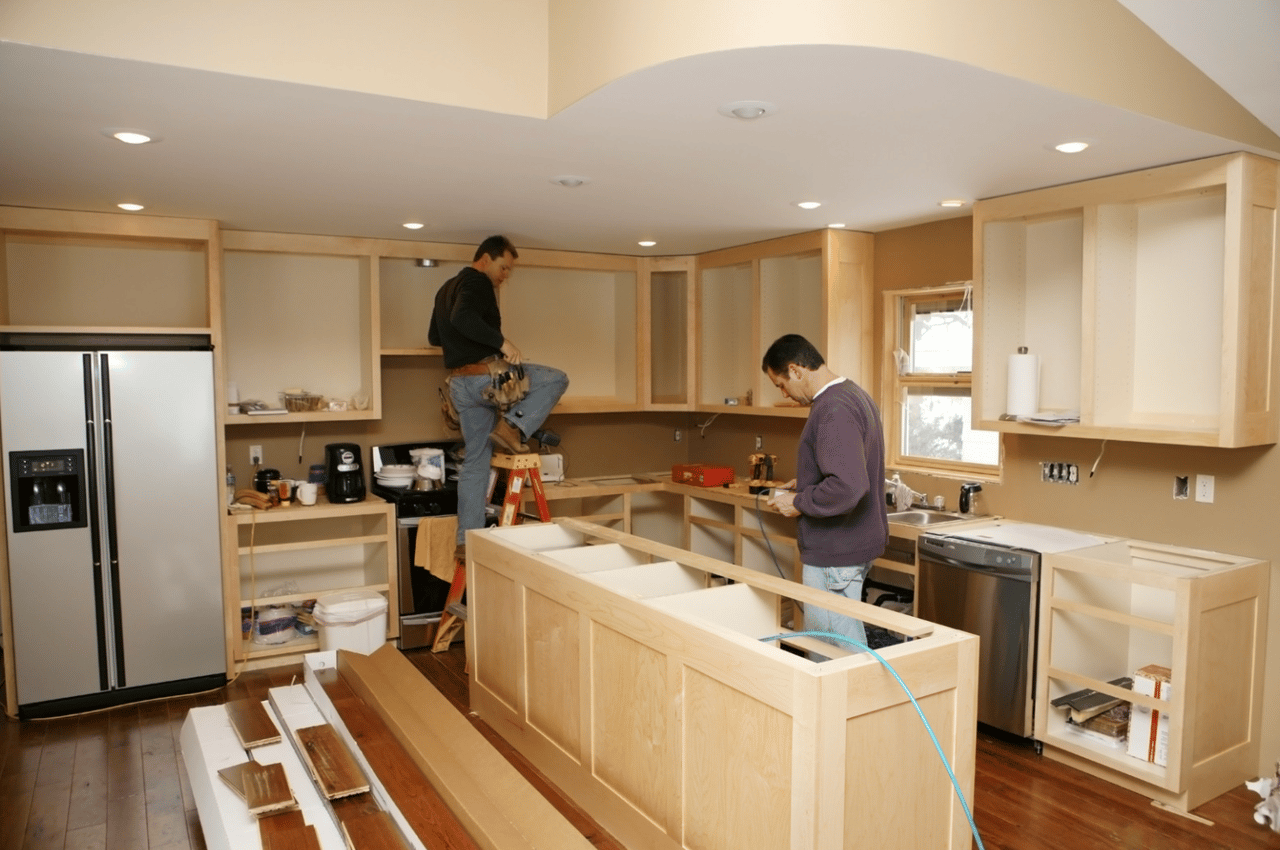
Jennifer Stowe at Apogee Real Estate Advisors anchors kitchen decisions in hard ROI data that reveals a dramatic spectrum. National Cost vs Value data summarized by multiple remodelers shows minor, midrange kitchen remodels now return over 100% of cost in some markets—one 2026 report cited 113% ROI for a minor midrange kitchen refresh. In contrast, major upscale kitchen remodels with high-end cabinetry, structural changes, and expensive appliances often recoup only 30-51% of cost. A plumbing and remodeling firm summarizing national data reports: minor kitchen remodel (midrange) recouped approximately 113%, major kitchen remodel (midrange) recouped approximately 51%; midrange bath remodels about 80%, but upscale bath upgrades only about 42%. The lesson for Somerset and Hunterdon County sellers is clear: fresh kitchens with painted cabinets, new countertops, new hardware, modern lighting, and mid-range appliances give better bang for the buck than full custom guts. In these areas where buyers are often move-up professionals, cosmetic refreshes shift listings from dated but livable to updated and move-in-ready—crucial in competitive sub-markets where buyers pay premiums for homes not requiring big immediate projects. Apogee Real Estate Advisors frames the decision: if you spend $25K on a cosmetic kitchen refresh and recover $28K in sale price, that's 112% ROI plus faster sale. If you spend $80K on a full upscale remodel and recover $40K in sale price, that's 50% ROI and you've trapped $40K in equity you'll never see again. Don't confuse your personal dream kitchen with what maximizes resale value.
Outdoor Space Premium: Decks, Patios, and Landscaping Impact
Jennifer Stowe at Apogee Real Estate Advisors uses outdoor-living ROI data specific to suburban NJ. A remodeling firm focused on Somerset and Morris Counties notes that decks often deliver ROI around 65-75% depending on materials and design. The same source points out that the outdoor-living trend is especially strong in suburban NJ, where adding a deck, patio, sunroom, or screened porch both increases appeal and supports higher asking prices. In these counties, outdoor projects combining usability and curb appeal—well-designed decks or patios plus attractive landscaping—are consistently listed among top value-adding projects versus niche luxury amenities appealing to fewer buyers. Application in Hunterdon and Somerset markets: usable outdoor space is a lifestyle feature, especially post-2020, with buyers picturing hosting, kids playing, and work-from-home breaks. Homes presenting this clearly often get more showings and stronger offers. A $15K composite deck might add $10K-$11K in value directly, but if it moves your home from languishing at $650K to selling quickly at $655K, you've captured value beyond pure ROI through reduced carrying costs and avoided price reductions. Apogee Real Estate Advisors emphasizes that outdoor space ROI is highest when the project is functional and appropriately scaled—a 12x16 deck off the kitchen with quality composite materials beats a massive multi-level cedar deck that required structural engineering and cost $35K. Buyers value the first; they're indifferent to the second because it's personal preference, not universal appeal.
The Over-Improvement Risk: Pricing Yourself Out of the Neighborhood
Jennifer Stowe at Apogee Real Estate Advisors warns that many high-ticket interior projects recoup only 30-50% of cost, meaning taking a home substantially above neighborhood norms on finishes traps equity rather than maximizing it. In New Jersey basement projects, adding luxury finishes and complex structural changes pushes costs into the $75K-$85K+ range, but ROI still typically caps around 70-85%—every extra dollar past nice and functional has diminishing returns at resale. Bathroom additions and heavy structural changes out of sync with the area—turning a modest Hunterdon subdivision home into something closer to a custom luxury build—risk recouping only about half the cost if surrounding comparable sales don't support that price level. Apogee Real Estate Advisors counsels sellers to look at the top of their neighborhood price range before committing to high-end upgrades. If your planned post-renovation price is far above recent comps, you're in over-improvement territory where each extra dollar returns far less than a dollar. Example: a $650K colonial in Raritan Township that needs $60K in thoughtful updates—kitchen refresh, bathroom updates, new flooring—can realistically sell for $700K-$710K based on recent comps. Spending $120K on ultra-luxury finishes won't get you to $770K because comps don't support it. You'll sell for $715K-$720K and trap $50K-$60K in equity. Themath is unforgiving. Apogee Real Estate Advisors helps sellers model realistic post-improvement values using actual comparable sales, preventing over-investment that looks beautiful but destroys wealth.
Deciding which home improvements actually add value in your New Jersey market? Jennifer Stowe at Apogee Real Estate Advisors provides data-driven analysis of feature premiums, ROI expectations, and over-improvement risks specific to Somerset, Hunterdon, Morris, and Union County submarkets. We'll help you invest in upgrades that maximize resale value, not trap equity. Contact Apogee Real Estate Advisors to schedule your seller consultation.
Jennifer Stowe, Apogee Real Estate Advisors
Serving Somerset, Hunterdon, Morris & Union Counties